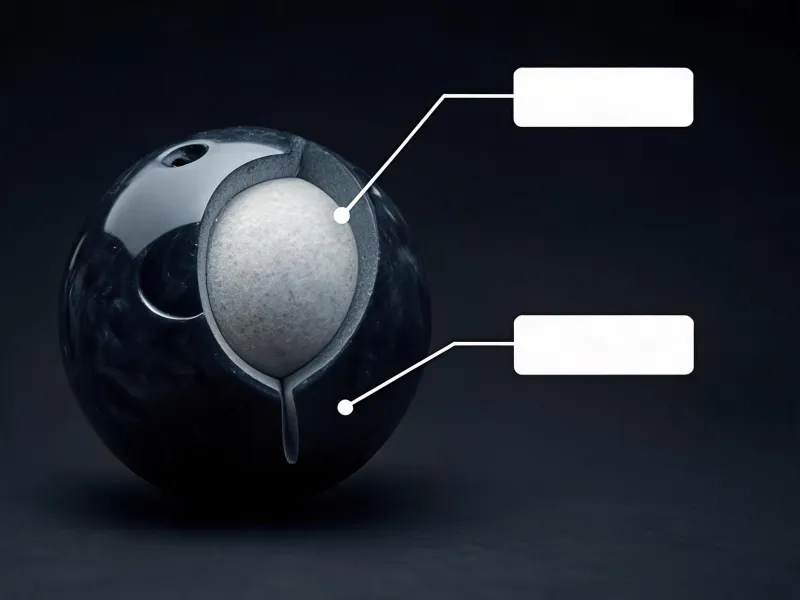
Performance Bowling Balls
Model-level coverstock, RG, differential, intermediate differential, and surface documentation.
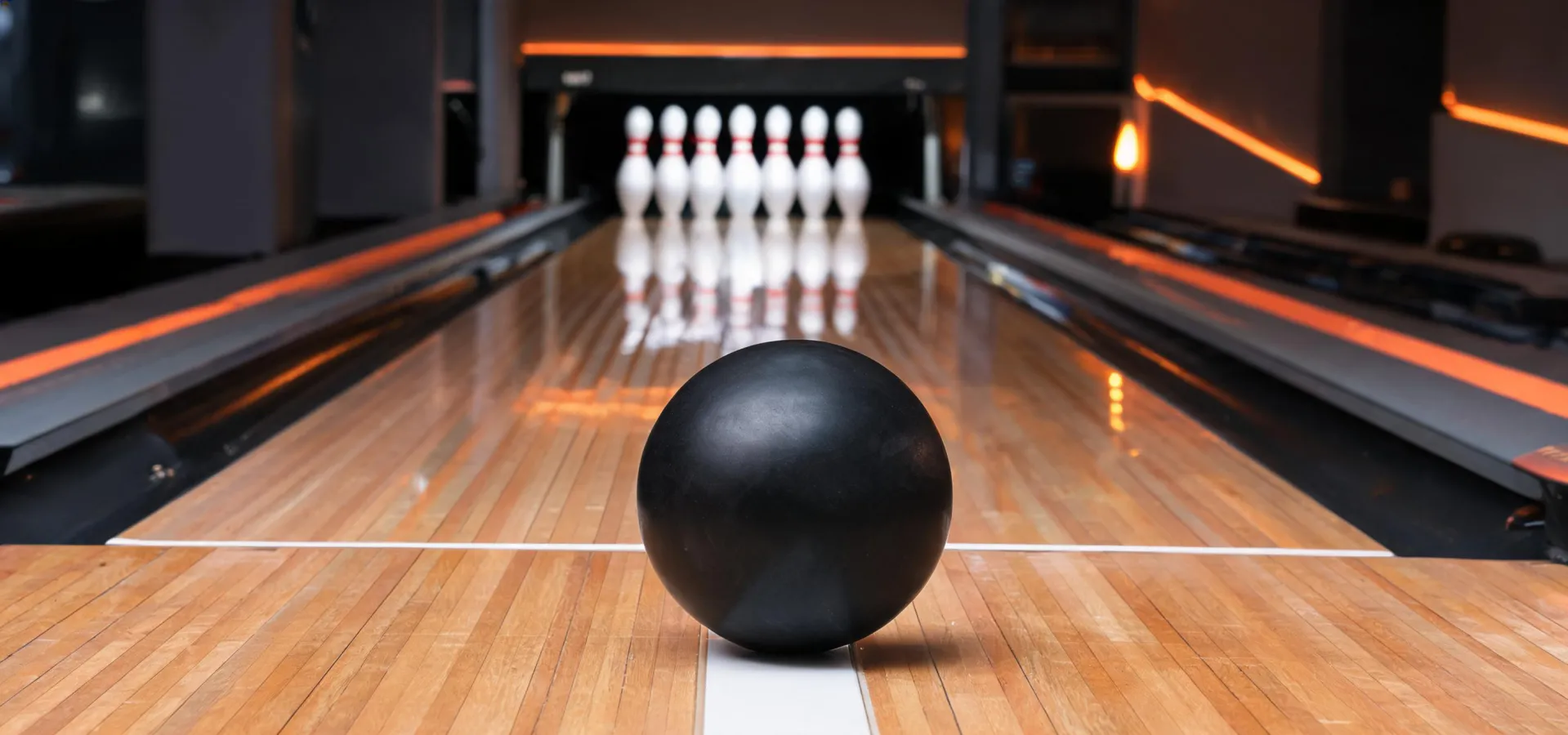
Compare coverstock response, radius of gyration, differential, surface preparation, and facility requirements before a purchase order is issued.
Published model sheets remain the source of truth. These procurement bands help a buyer identify the measurements to request.
Model-level coverstock, RG, differential, intermediate differential, and surface documentation.
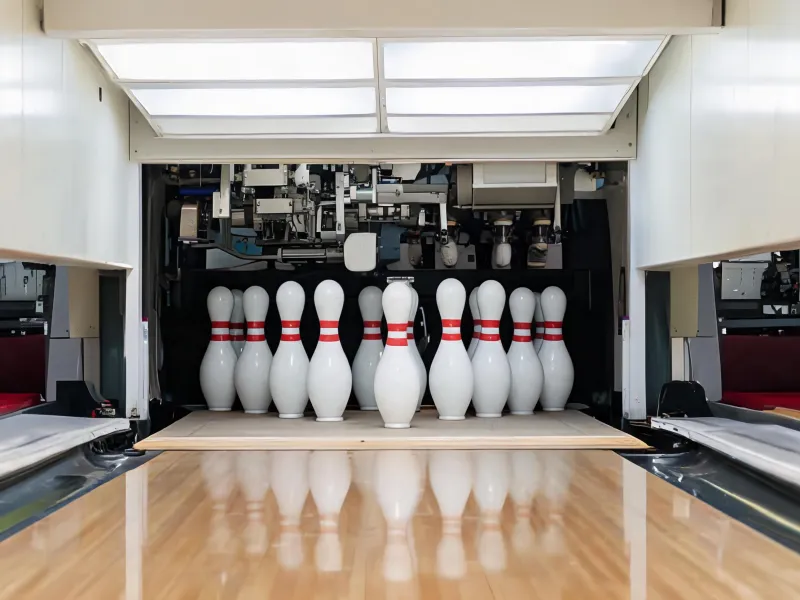
Operating compatibility, replacement planning, service access, and center-level consumables.
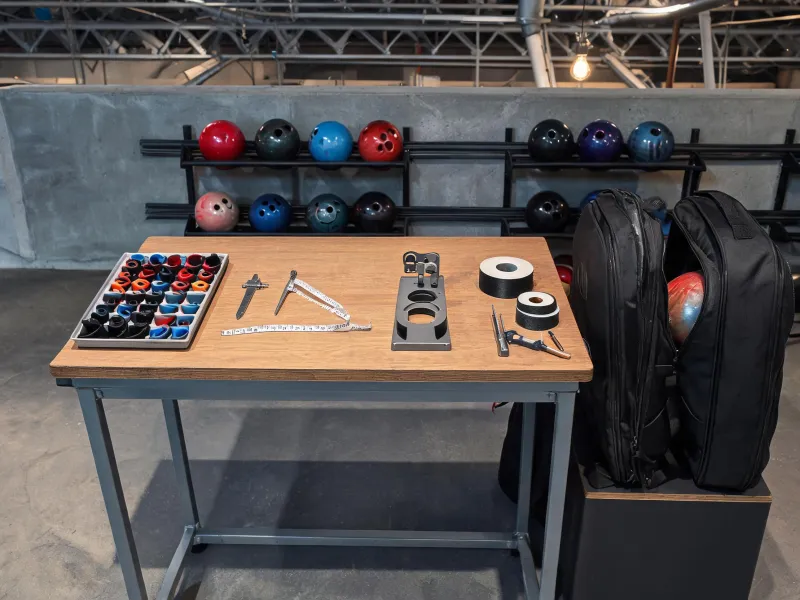
Transport capacity, organizer layout, grip service items, and pro-shop replenishment requirements.
Measure oil volume, distance, and transition rather than relying on “heavy” or “dry.”
Read RG and differential together; neither describes motion alone.
Reactive resin increases friction response; urethane often provides earlier, smoother control.
Record abrasive grit, compound, lane games, and maintenance before comparing reactions.
PAP, pin-to-PAP distance, balance limits, and static weights change the result.
Use the same lane pair, speed window, release window, and oil reading for comparison.
Confirm the current approved-ball listing and any applicable equipment specifications before sanctioned use.
Supplier quality documents support vendor onboarding but do not replace model testing or incoming inspection.
Lane, pinsetter, electrical, fire, accessibility, and insurance requirements are facility-specific.
Include oil distance and volume, ball speed, rev-rate range, existing benchmark ball, surface history, and target motion. A shortlist without these inputs remains provisional.